Anyone can have a stroke.
What is a stroke?
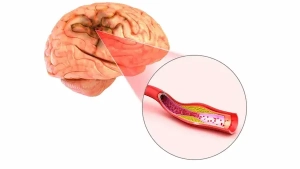
A stroke occurs when there is an interruption in the blood supply to the brain. A bleed or a blockage may be the cause of this disruption, which kills brain cells.
Blockages account for 85% of all strokes, and while anyone can have one, over 55-year-olds are more likely to have one.
Stroke victims can sustain permanent brain damage; some fully recover and return to their normal lives, while others remain permanently disabled.
There are two main types.
Ischaemic: This is the most common type of stroke, in which a blood clot blocks the flow of blood to the brain. This accounts for 85% of cases.
Transient-ischemic attacks (mini-strokes) are the same as a stroke, but the symptoms last for a shorter period of time.
Hemorrhagic: This happens when a weak blood vessel that supplies blood to the brain bursts.
Treating any stroke-like symptoms as a medical emergency requires immediate, specialised medical intervention.