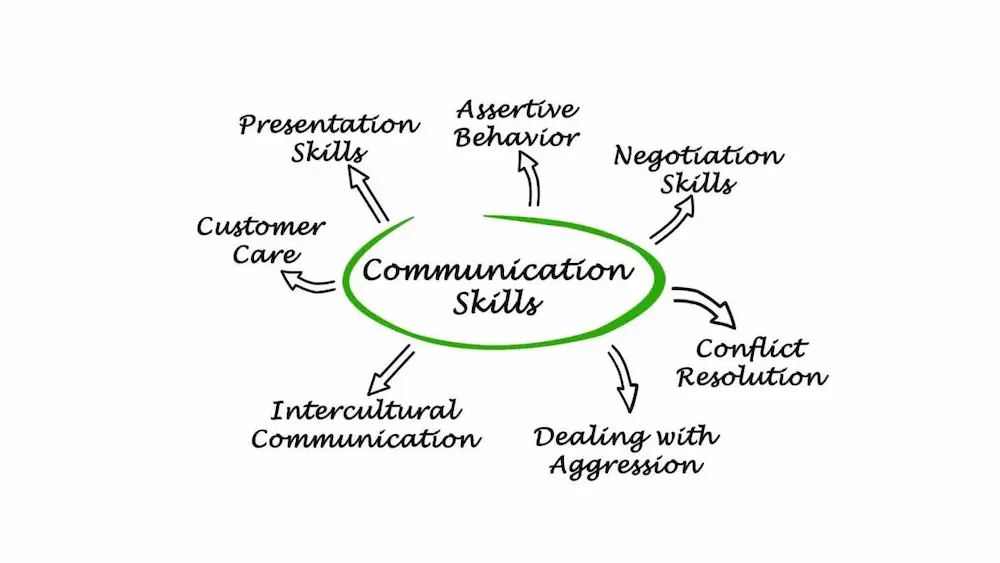
Communication is so important

Communication skills are so important.

During our first aid training course, first aiders gain extensive knowledge about communication skills. If handled calmly and compassionately, communicating with a child is not that different from communicating with an older person.

Both the child and the older person may be confused and upset, so first aiders usually get a favourable picture of what has happened and how best to respond to the first aid emergency by showing compassion and calmness.

While adults do occasionally become agitated and confrontational, effective communication techniques also help to diffuse conflict with them.

Our favourite scenario involves a mother and her infant, who refuse to allow the first aider to look at the child. This situation pushes learners beyond their comfort zone, but they can usually overcome it with gentle encouragement.

Our first-aid training team creates confrontational scenarios so that our learners can practice their skills and receive feedback.

Communication skills are not that difficult are they?

A first aider can quickly ascertain what has happened, how it happened, and how many people are involved in the incident.

After a traumatic experience, if you witness someone engaging in an angry or heated conversation with you, it’s likely that you won’t respond, and if you do, you’ll likely have missed important communication.

First aiders should maintain eye contact and speak calmly to ensure effective communication and understanding of the incident. If the casualty does not speak English, use basic sign language and simple wording.

For instance, you can use a notepad to facilitate communication with a profoundly deaf but distressed casualty, enabling both voice and lip reading. Avoiding angry or heated conversations can help maintain important communication.


Communication skills are a skill in itself

All of our first aid courses, whether they are group or open, focus on teaching our students how to communicate more effectively in a first aid situation. We find that open questions help us get a clear picture of what has happened, so communication is crucial.

Additionally, during role-play scenarios, students can practice their communication skills because it can be challenging to help casualties if the first aider does not ask the right questions in the right way.

During the feedback session, the students present their findings, and if the right questions are asked, they usually get it mostly right.

People involved in accidents or incidents can understandably become emotional and upset, and if someone is not compassionate in their communication with them, they may miss crucial information.

How can we do this better?

A first aider will use a few basic rules of communication to quickly ascertain what has happened and what needs to be accomplished. If first aiders communicate well with casualties, they can inform themselves and build trust, which is essential if the casualty is to consent to help. The rules of communication include:

  • Maintaining eye contact helps establish trust between the first aider and the casualty.
  • It is important to tell the truth, but avoid going into too much detail.
  • If the casualty does not speak English fluently, use plain language to ensure they understand the first aider. This will prevent misunderstandings and ensure both parties communicate.
  • Finally, give the casualty enough time to answer any questions you may have. It’s surprising how many first aiders get this wrong by not waiting for an answer.

Body language and the tone of the first aider’s voice can convey as much information as words can. That is why a first aider must remain calm when communicating with a casualty.

Conclusion

First aid training is a life skill; in addition to learning how to administer first aid, you will also learn and brush up on essential communication skills to be an effective first aider, whether it be in the workplace, at home, or out in public.

All of our first aid courses are Ofqual-regulated and accredited by Qualifications Network UK, one of the larger awarding organisations for health and safety and first aid qualifications in England, Wales, and Northern Ireland.