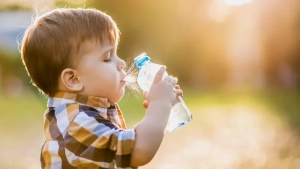
Scary statistics about small children choking

Small children choking is a scary statistic

Nothing surprises me anymore, and I recently read an article about babies and young children choking.

I was not surprised that 40% of parents had seen a choking baby, because everyone chokes at some point.

I was surprised by the shocking fact that 80% of parents don’t know what to do if this happens to their child or infant.

According to a recent St John Ambulance study, 34 children in the UK receive treatment for food choking every day of the week, which is a frightening statistic.

Yes, small children can choke; my children choked at times, but with a swift back slap, they coughed it up.

Paediatric first aid courses are ideal for parents, grandparents, and anyone who looks after children.

What is alarming is that paediatric first aid training is widely available throughout the UK, and many, like us, provide low-cost or free parent and baby first aid courses that include choking and CPR training.

We run paediatric first aid courses and emergency paediatric first aid courses, both of which are ideal first aid courses for babies and small children. In conjunction with GP surgeries, we occasionally run ‘Parents and Babies first aid classes’.

What is scary is that people rely on the ambulance service to get to their child quickly in an emergency, which may not always happen.

At the time of writing, it took an average of 26 minutes for an ambulance to arrive. If young children are choking for a long time, it is not the ambulance crew’s fault.

Despite many parents’ belief that it will never happen to them, statistics indicate that it is indeed possible.

Healthcare professionals always encourage first aid training, as these skills can make a significant difference in a medical emergency.

What can we as parents do to help?

When it comes to feeding babies and young children, parents must exercise extreme caution. If parents do not administer treatment to clear the blockage, even a small grape can easily choke a child to death in minutes.

Simple things like cutting the children’s food into small pieces and supervising them at meal times. If they choke on a small piece of food, they should encourage the child to cough; they can usually dislodge it on their own.

A simple backslap is often enough to dislodge it, and it usually works very well.

Not long ago, our MD was in a coffee shop with a friend when a child began to choke on a piece of muffin cake.

He noticed that everyone was watching this child go blue and doing absolutely nothing to help this child in distress.

Our MD went over to the child’s mother and explained that he was a first responder and needed her consent to administer the child’s choking treatment.

The child received treatment after obtaining permission.

Here is the blog on what happened that day.

Did you know our NHS has a helpful guide on what to do when a small child chokes? It doesn’t replace actual first-aid training, but it may be a helpful guide.

Giving backslaps to a choking child won’t harm them, but if you don’t have any first aid training, giving abdominal or chest thrusts to a baby or small child can cause serious harm. Always ensure the child or adult receives medical attention.

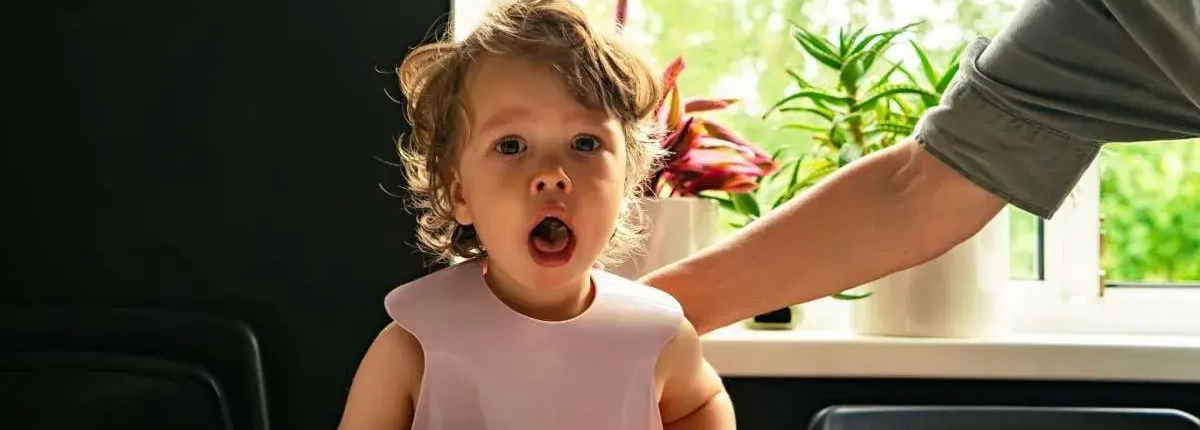
scary statistics

All of our first aid training courses cover choking

To maximise the training’s effectiveness, a healthcare professional supervises all of our first aid courses, which cover choking.


Attending a first aid course is not only a life skill, but you will also have the skills and knowledge to help a fellow human being in a medical emergency. Quite often, this could be a family member or someone on the street.

We offer more information on our home page.

To maximise training effectiveness, all of our first aid courses cover choking under the supervision of a healthcare professional.