


Description
The Emergency First Aid at Work qualification teaches people how to manage first-aid situations in low-risk workplaces such as shops and offices.
This qualification meets the Health and Safety Executive’s (HSE) legal requirements for first aid in low-risk workplaces.
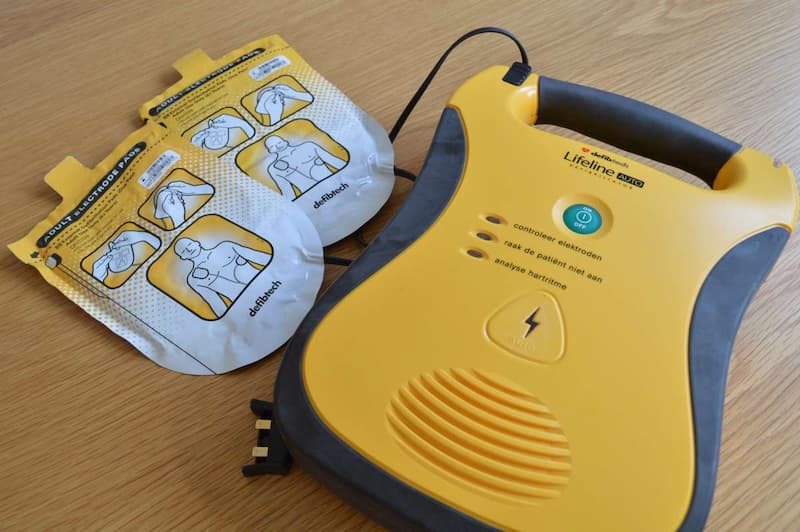
After this course, you will know how to use an automated external defibrillator (AED), perform CPR on someone who is not breathing, and monitor them until help arrives.
You will learn key first-aid skills for treating minor injuries, such as cuts and small wounds, as well as severe conditions, including choking, convulsions, and shock.
The Emergency First Aid at Work course combines theory with hands-on practice and meets all national industry standards and Resuscitation Council UK guidelines.
Learning outcomes of the course:
Understand the role and responsibilities of an emergency first aider in reference to:
- Preventing cross-infection
- Importance of recording incidents and actions
- Using available equipment
- Assessing the situation and circumstances to act safely, promptly, and effectively in an emergency
Be able to administer and provide first aid to a casualty who:
- is unresponsive but breathing normally
- is unresponsive but NOT breathing normally
- is choking
- has external bleeding
- is suffering from medical shock
- has splinters,
- has cuts, grazes, and bruising
- has minor burns or scalds
- is having a seizure
Qualification:
- The QNUK Level 3 Award in Emergency First Aid at Work (RQF)
You will receive the following certification:
- QNUK Level 3 Award in Emergency First Aid at Work (RQF) PDF certificate.
PDF certificates only from 1st October 2026
Course requirements:
- Employers should not rely solely on learners aged 14 to 16 as emergency first aiders, even if they qualify.
- Students must have a solid understanding of English to effectively engage with and complete the suggested assessment methods for this qualification.
- Learners must show first-aid procedures in their assessment, including administering CPR to a casualty on the floor.
- Learners must be able to perform CPR on the floor.


Reviews
There are no reviews yet.